
- Pound (GBP) is falling for a third day
- PM Starmer faces calls to resign from the opposition
- Euro (EUR) is rising across the week
- Oil prices fall 3% this week as Iran peace hopes rise
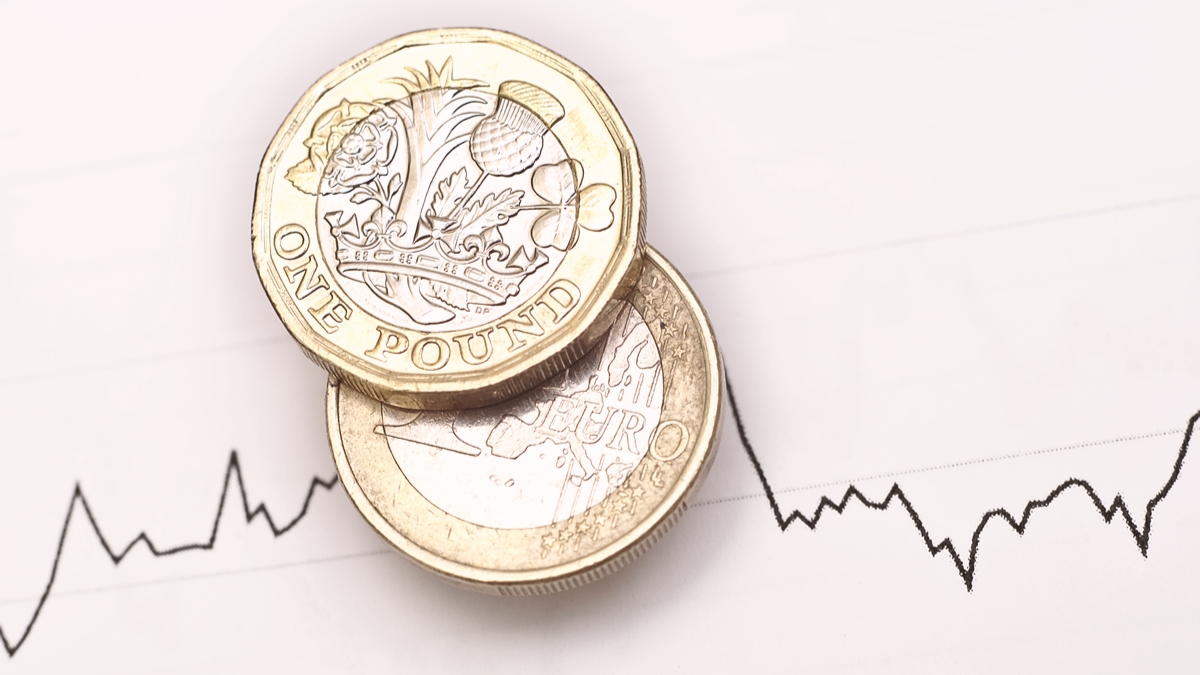
The Pound-Euro (GBP/EUR) exchange rate is edging lower for a third day. The pair fell -0.11% in the previous session, settling on Thursday at €1.1481. The pair traded between €1.1476 and €1.1510. At 13:30 UTC on Friday, GBP/EUR trades -0.02% at €1.1479. The pair trades -0.09% across the week.
The pound is under pressure as attention shifts back to domestic UK politics after weeks of focus on the US–Iran conflict.
UK Prime Minister Keir Starmer is facing renewed calls for his resignation from the opposition following reports that a former ambassador to the US failed security vetting but was still allowed to take up the post.
Starmer told the House of Commons recently that due process had been followed in appointing Peter Mandelson, despite his reported links to China, Russia, and Jeffrey Epstein. The key issue now is whether that statement was accurate, as the UK Ministerial Code states that ministers must resign if they knowingly mislead Parliament.
The Prime Minister is expected to make a statement as early as Monday to clarify the situation. The timing is sensitive, coming just weeks before local elections, where the Labour Party is already expected to face challenges.
The problem for financial markets is that the replacement will likely be a left-leaning candidate, likely to spend more at a time when the government’s finances are already under pressure.
Meanwhile, the euro is modestly higher on the week as oil prices continue to fall—down around 3% this week after dropping over 13% last week—amid growing optimism over a diplomatic resolution to the Iran conflict.
The US and Iran are expected to hold further talks this weekend, while Israel and Lebanon have agreed to a 10-day ceasefire, boosting hopes of de-escalation. However, risks remain elevated, particularly with ongoing disruption around the Strait of Hormuz.
The eurozone remains highly dependent on energy imports, and the earlier surge in oil prices has already pushed inflation higher, highlighting the region’s vulnerability to external energy shocks.