

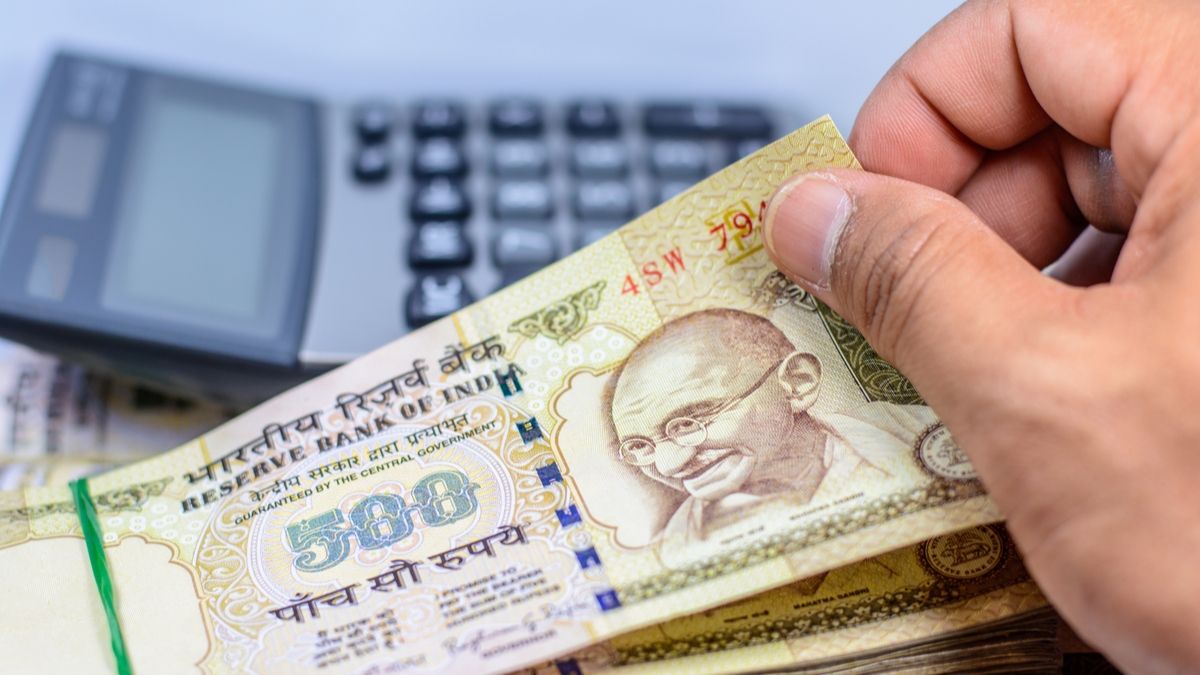
- Indian Rupee (INR) hit a record low this week
- Indian equities fell 2.5% this week on US troubles
- US Dollar (USD) fell versus major peers on Friday
- US core PCE held steady at 2.9%
The US dollar-to-Indian rupee (USD/INR) exchange rate fell for a third straight day. The pair fell 0.01% in the previous session, settling on Thursday at 88.76. At 21:30 UTC, USD/INR settled -0.1% at 88.67 and trades in a range of 88.63 to 88.79. The pair rose 0.65% across the week.
The repair set an all-time low and remained under constant pressure this week, weighed down by concerns over US tariffs and changes in immigration policy, which could hurt trade remittances and foreign portfolio flows into India.
At the start of the week, the rupiah was weighed down by a steep increase in US visa H1B fees, which could impact the Indian IT service sector, which leans heavily on that visa.
Indian equities ended the week 2.5% lower the steepest drop since late March.
The Reserve Bank of India has helped to prop up the rupee from steeper losses this week, even as it hit an all-time low of 88.79 on Tuesday.
The US Dollar fell against its major peers on Friday. The US Dollar Index, which measures the greenback against a basket of major currencies, is settled -0.4% at 98.15, after two days of gains.
The US dollar fell on Friday after the release of US inflation data, which showed no change in August. US core PCE, which is the Federal Reserve’s preferred gauge for inflation, remained unchanged at 2.9% year on year last month. On a monthly basis, core PCE rose two 0.2%, down from 0.3% in July.
The figures also showed that US personal spending rose at a solid pace in August for the third straight month, suggesting that consumers continue to support the economy despite sticky inflation.
U.S. consumer spending rose 0.4% adding to evidence of a solid economy in the current quarter.
However, maintaining momentum in the economy depends largely on the labour market, which has been showing some signs of faltering.
Attention is turning to next week’s US non-farm payroll report, which will provide further insight into the health of the US job market.