

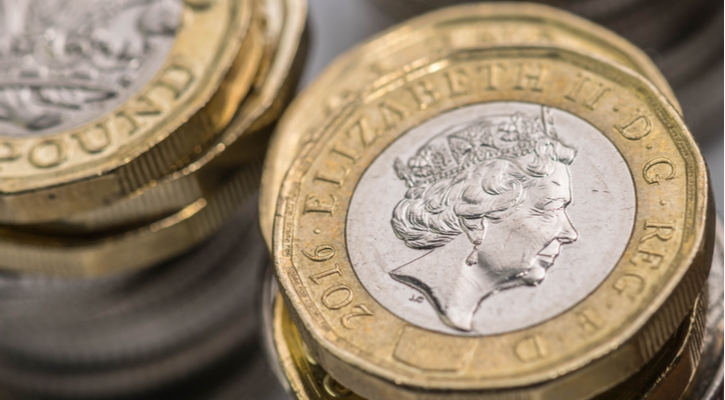
- Pound (GBP) is falling after gains yesterday
- UK CPI rose to 3.6% YoY from 3.4% in May
- Euro (EUR) is rising but gains could be limited
- Investors await EU-US trade talk developments
The Pound-Euro (GBP/EUR) exchange rate is falling after yesterday’s rise. The pair rose 0.23% in the previous session, settling on Tuesday at €1.1539. It traded between €1.1497 and €1.1550. At 09:30, GBP/EUR trades -0.12% at €1.1525.
The pound is falling despite UK inflation rising by more than expected in June. According to data from the Office for National Statistics, the consumer price inflation jumped to 33.6% year on year, marking its highest level since early 2024 and up from 3.4% in May.
CPI is well above the Bank of England’s 2% target level, although policymakers believe the recent increase in inflation could be short-lived. Either way, the UK is struggling to shake off a period of sticky inflation, making the Bank of England’s job more challenging.
Recent speeches from Bank of England policymakers suggest that they are more concerned about the outlook for the UK jobs market. Bank of England Governor Andrew Bailey warned earlier this week that further weakening of the labour market may prompt the central bank to cut interest rates more aggressively.
UK unemployment data is due to be released tomorrow.
The EUR is rising against the pound and the US dollar despite a quiet eurozone economic calendar and amid ongoing trade uncertainty due to a lack of progress in EU-US trade negotiations.
The markets continue to monitor EU-U.S. trade talks closely. According to EU trade negotiator Sefcovic, the two sides have been close to agreeing on the framework agreement, but significant gaps remain in their positions.
Over the weekend, President Trump announced a 30% tariff on the EU, set to take effect on August 1st, unless a deal is agreed upon.
Chancellor Merz has warned him that the 30% US tariff would severely impact German industry, potentially slowing growth across the eurozone. As a result, euro gains may be limited