

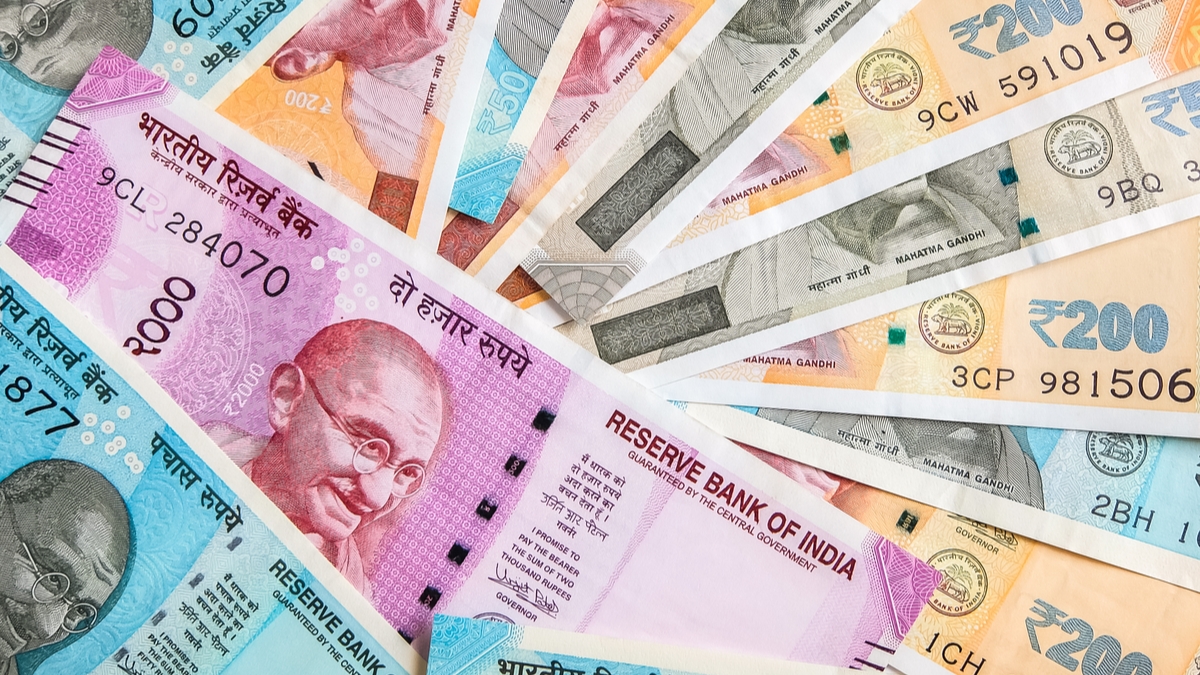
- Indian Rupee (INR) fell for a third straight day
- The Rupee hit a record low despite intervention
- US Dollar (USD) is rising against major peers
- IT outage fueled safe-haven flows
The US Dollar Indian Rupee (USD/INR) exchange rate rose for three straight days. The pair rose 0.02% in the previous session, settling on Thursday at 83.51. At 19:00 UTC, USD/INR trades 0.17% at 83.72 and is in a range of 83.59 to 83.74. The pair gained across the week, marking the third straight weekly rise.
The Indian rupee closed at a record low on Friday even as likely intervention from the Reserve Bank of India helped to stem losses amid declines in Asian peers and on persistent pressure from the dollar.
The Bank of India is likely to have intervened with an undeliverable forward market to limit the Rupee’s depreciation. The Rupee hit an all-time low of 83.66 on June 20. The RBI has intervened on multiple occasions previously to help support the Rupee.
Traders expect the RBI to allow gradual weakness in the Rupee but this could be limited around the 83.70 to 83.75 level.
Meanwhile, shares on the Indian stock market eased back from record highs due to the global cyber outage and broad-based profit taking ahead of the national budget next week.
The US Dollar is rising across the board. The US Dollar Index, which measures the greenback versus a basket of major currencies, trades +0.21% at the time of writing at 104.36, marking the second day of gains. The pair gained across the week after two straight days of losses.
The US dollar rose on Friday, boosted by safe-haven flows amid a cybersecurity outage which weighs on the market mood.
Cyber security firm Crowdstrike updated one of its products, which triggered an outage that affected customers using the Microsoft Windows operating system and disrupted business across a range of sectors.
These concerns drove safe-haven flows into the US dollar, which saw its first weekly gain after bouncing back from a three-month low.
The dollar had fallen sharply on expectations that the Federal Reserve would start cutting rates in September and potentially twice more before the end of the year.
Cooler-than-expected inflation, as well as a slightly more dovish stance from policymakers, has seen the market increase expectations of a September rate cut from 45% just over a month ago to almost 100%.
Attention will now turn to next week’s core PCE, which is the Federal Reserve’s preferred measure for inflation. Should core PCE inflation continue to cool, then the market could start pricing in more rate cuts at the end of 2024 or 2025.