
- Indian Rupee (INR) falls for a second day
- Oil prices rise after a 15% drop yesterday
- The US Dollar (USD) is falling versus its major peers
- US core PCE inflation was sticky at 3% in February
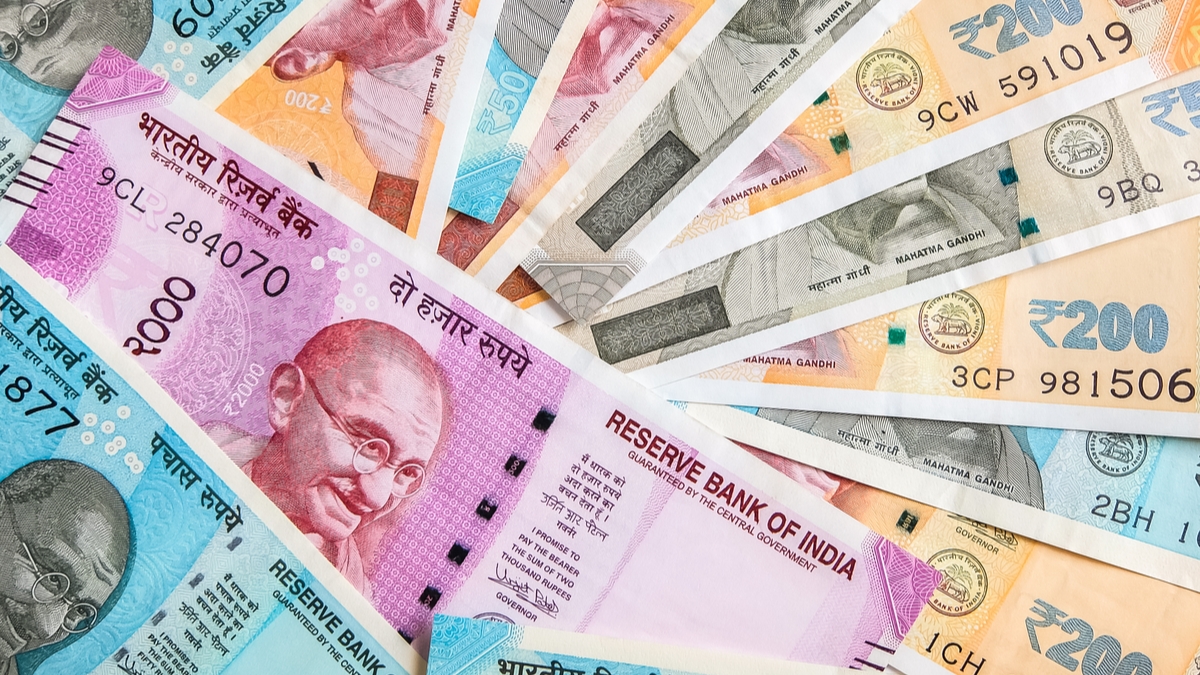
The US dollar-to-Indian rupee (USD/INR) exchange rate is rising after two days of losses. The pair fell -0.66% in the previous day, settling on Tuesday at 92.25. At 19:30 UTC on Wednesday, the pair is up 0.40% to 92.62 and trades between 92.45 and 93.0.
The Indian rupee remains under pressure as investors continue to assess the ceasefire agreement between the U.S. and Iran and question whether it can hold just a day after it was announced.
The deal already appears fragile after Israel continued its strikes in Lebanon, while there are still no clear signs that Iran has reopened the Strait of Hormuz, meaning disruption to global energy supplies remains a key concern.
Oil prices are rising again today after falling around 15% in the previous session, highlighting how quickly sentiment can shift as geopolitical risks remain elevated.
Iranian negotiators are reportedly expected to head to Pakistan for direct talks with the U.S., although Tehran has made clear that it sees little prospect of progress while Israeli military action in Lebanon continues.
Meanwhile, President Donald Trump has said U.S. military assets will remain positioned near Iran until a longer-term agreement is reached, reinforcing the sense that markets are dealing with a temporary pause rather than a lasting resolution.
The US dollar is rising against the Rupee but falling against its major peers. The US Dollar Index, which measures the currency against a basket of major peers, is down 0.44% at 98.69, marking the fourth day of losses.
The U.S. dollar is softer as broader market sentiment shows tentative signs of improvement. U.S. equities opened lower but have since recovered, suggesting investors are still trying to gauge whether the ceasefire can hold.
On the data front, U.S. core PCE — the Federal Reserve’s preferred inflation measure — rose 0.4% month-on-month in February, while the annual rate eased slightly to 3.0%. Importantly, that still points to sticky inflation even before the Iran conflict sent oil prices sharply higher.
Meanwhile, U.S. fourth-quarter GDP was revised down to 0.5% from 0.7%, underlining that the economy was already showing signs of weakness before the latest geopolitical shock.