

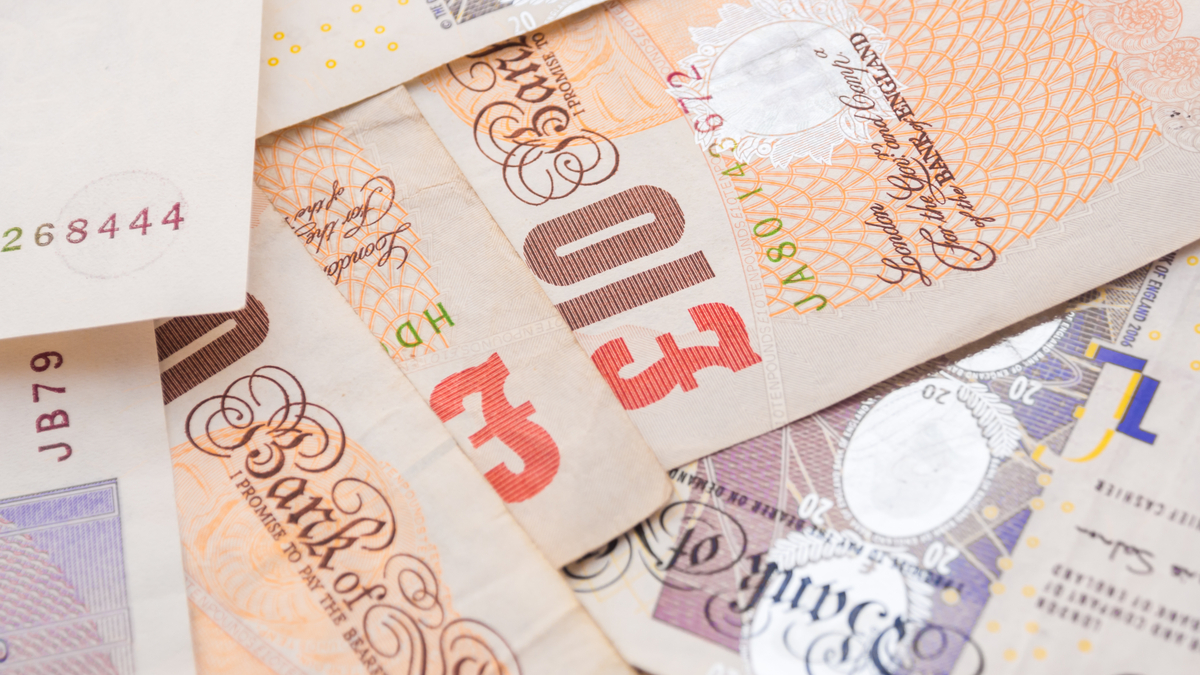
- Pound (GBP) is rising after losses yesterday
- UK retail sales jump 4.5% YoY and 1.8% MoM
- Euro (EUR) is falling despite a recovery in manufacturing activity
- Composite PMI rose to 51.9 vs 51.3 previously
The Pound-Euro (GBP/EUR) exchange rate is rising on Friday after losses yesterday. The pair fell -0.13% yesterday, settling on Thursday at €1.1437. It traded between €1.1425 and €1.1464. At 16:30 UTC on Friday, GBP/EUR trades 0.13% higher at €1.1451.
The pound is rising after upbeat data hinted at good news for the UK economy.
UK retail sales rose 1.8% month on month in January, well above the 0.2% expected and up from 0.4% in December, marking the largest jump since May 2024, before Prime Minister Pierce Keir Starmer came into power. On an annual basis, retail sales rose 4.5%, marking the biggest increase since February 2022.
The jump in retail sales to an almost 4-month high suggests consumers are becoming happier to spend after a weak end to the economy in 2025.
The jump reflected strong sales of artwork and antiques alongside online jewellers. This could be attributed to demand for gold purchases, as investors sought to capitalise on the precious metal’s soaring prices.
In addition to upbeat retail sales UK business activity data was also stronger than expected.
The UK composite PMI, a good gauge of business activity, rose to 53.9 in February, the highest level since April 2024, up from 53.7 in January. The data points to an encouraging start to the year for the UK economy.
Meanwhile, the euro was under pressure after the PMI data. The most notable point in the data was the recovering manufacturing sector, where the PMI rose to 50.8, up from 49.5 in December and ahead of the 50 expected. This marked a 44-month high and was largely driven by a recovery in Germany, where industry returned to expansion for the first time in over three years.
The manufacturing sector performed better than the services sector, although that still held up in February, with services PMI coming in at 51.8, below the 51.9 expected, suggesting that services growth continues at a moderate rate, supporting overall growth in the eurozone, even if the overall dynamic lost some momentum.
As a result, the composite PMI, which is considered a good gauge for business activity, rose to 51.9, up from 51.3 previously and ahead of the 51.5 expected
The data is not expected to impact the ECB’s monetary policy outlook, with the central bank expected to leave rates unchanged this year.