

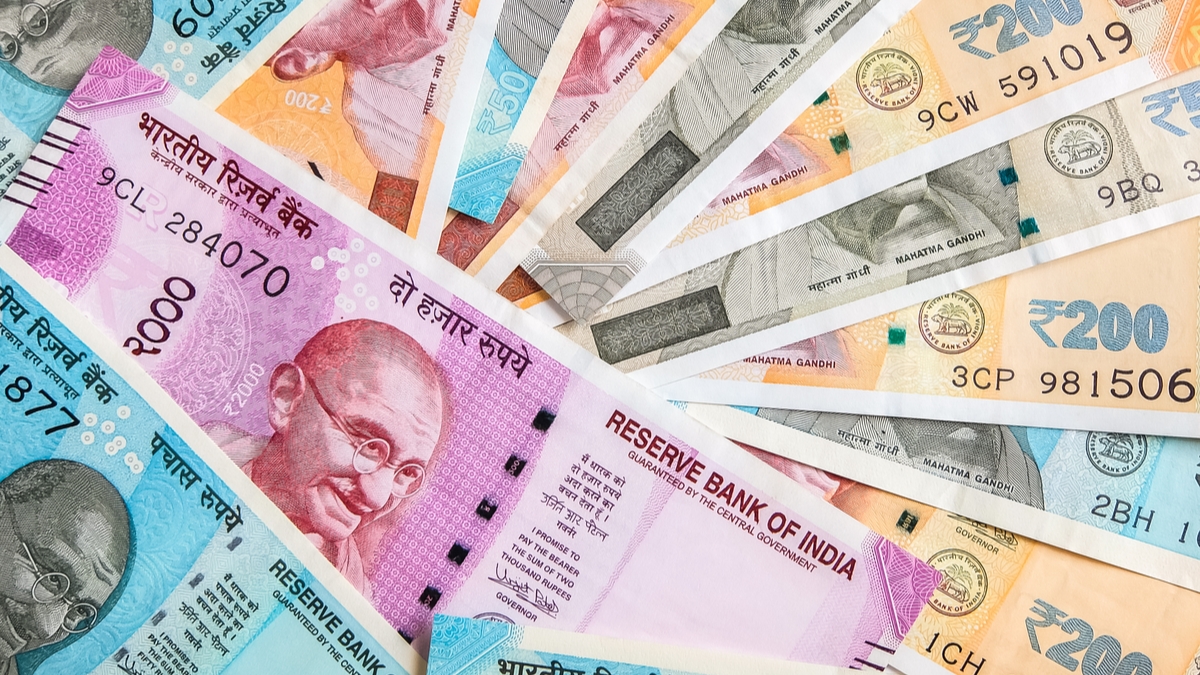
- Indian Rupee (INR) is falling after gains yesterday
- Trump said a deal will be agreed soon, but still no date
- The US Dollar (USD) falls versus major peers
- US ADP weekly payrolls fall 11,250
The US dollar-to-Indian rupee (USD/INR) exchange rate is falling after gains yesterday. The pair rose 0.05% in the previous session, settling on Monday at 88.70. At 19.30 UTC on Tuesday, USD/INR traded -0.30% at 88.44 and traded in a range of 88.43 to 88.71.
The Indian rupee is under pressure as investors wait for a breakthrough in trade talks between the US and India and ahead of tomorrow’s retail inflation data.
On Monday, U.S. President Trump reiterated his confidence that Washington and New Delhi are close to reaching a trade deal, but did not provide a timeframe for an agreement. He said at some point the US would reduce tariffs on Indian goods.
The sentiment of overseas investors towards the Indian stock market remains downbeat amid delays in the US-India trade deal. At the start of the week, foreign institutional investors were net sellers, selling shares worth Rs 4,114.85 crore.
Attention will now turn to India’s retail consumer price index data for October, which will be released on Wednesday and could significantly influence RBI rate-cut expectations. Economists forecast retail inflation at 0.48%, down from 1.54% in September.
The US Dollar is falling across the board. The US Dollar Index, which measures the greenback against a basket of major currencies, is trading -0.19% at 99.40, falling for a fifth straight day.
The US dollar is under pressure after weaker-than-expected ADP YouTube payroll data, which highlighted the weakness in the US labour market.
The data showed that U.S. companies cut over 11,000 jobs per week through the end of October, according to new real-time estimates from payroll processor ADP. This came after ADP reported last week showed that the US economy added 42,000 jobs in October compared to September.
The data raises concerns over the state of the jobs market after the Federal Reserve cut rates last month due to weakness in the labour market.
Meanwhile, optimism is rising that the US government shutdown will end this week, which would ease the uncertainty that has clouded the market for the past 40 days.