

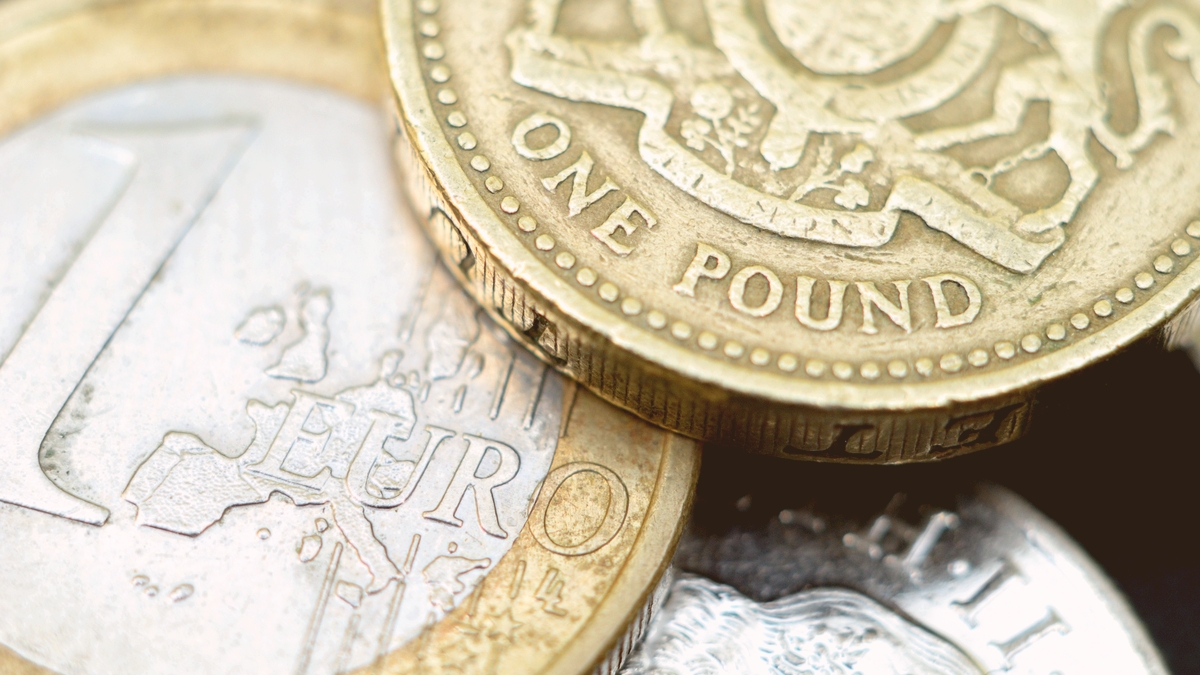
- Pound (GBP) is rising after 5 days of losses
- UK inflation expectations over 5 years remained at 3.6%
- Euro (EUR) falls but gains across the week
- The EUR industrial production falls 2.4% MoM
The Pound-Euro (GBP/EUR) exchange rate is rising after five days of losses. The pair fell by 0.40% in the previous session, settling on Thursday at €1.1745. It traded between €1.1698 and €1.1802. At 15:30, GBP/EUR trades 0.15% at €1.1762.
The pound is pushing higher. Data showed that the British public’s expectations for inflation over the medium term remained elevated, although short-term inflation expectations fell according to the Bank of England’s survey on Friday.
The survey showed that expectations for inflation in five years remained at 3.6%, unchanged from February but the highest level since November 2019.
Meanwhile, inflation expectations for 1 to 2 years held at 3.2%, the highest level since November 2020, although expectations for one year dropped to 3.2%.
The data comes as the current level of inflation was 3.5% year on year in April, up from 2.6% in March. May inflation data is due next week, ahead of the Bank of England interest rate decision.
The Bank of England is not expected to move on interest rates next week although the market is pricing in two more rate cuts this year.
The EUR is falling modestly but is set to gain across the week. The EUR is under pressure after German inflation data came in line with the preliminary reading, showing that CPI eased to 2.1% year on year. Meanwhile, eurozone industrial production fell 2.4% month on month in April, reversing a downwardly revised 2.4% rise in March. This was worse than the 1.7% decline economists expected, marking the first decline in four months.
Next week is not a major week for eurozone data. Attention will be on the ZEW economic sentiment on Tuesday and eurozone inflation on Wednesday, although this is the secondary reading and doesn’t tend to be as market-moving. Plenty of ECB officials are due to speak across the week, who might provide further clues about when the ECB could pause its rate-cutting cycle.