

- Pound (GBP) is falling but is on track for a weekly gain
- UK GDP rose to 0.7% QoQ & wage growth remains sticky
- Euro (EUR) rises but falls across the week
- EU trade surplus rose to €36.8 billion
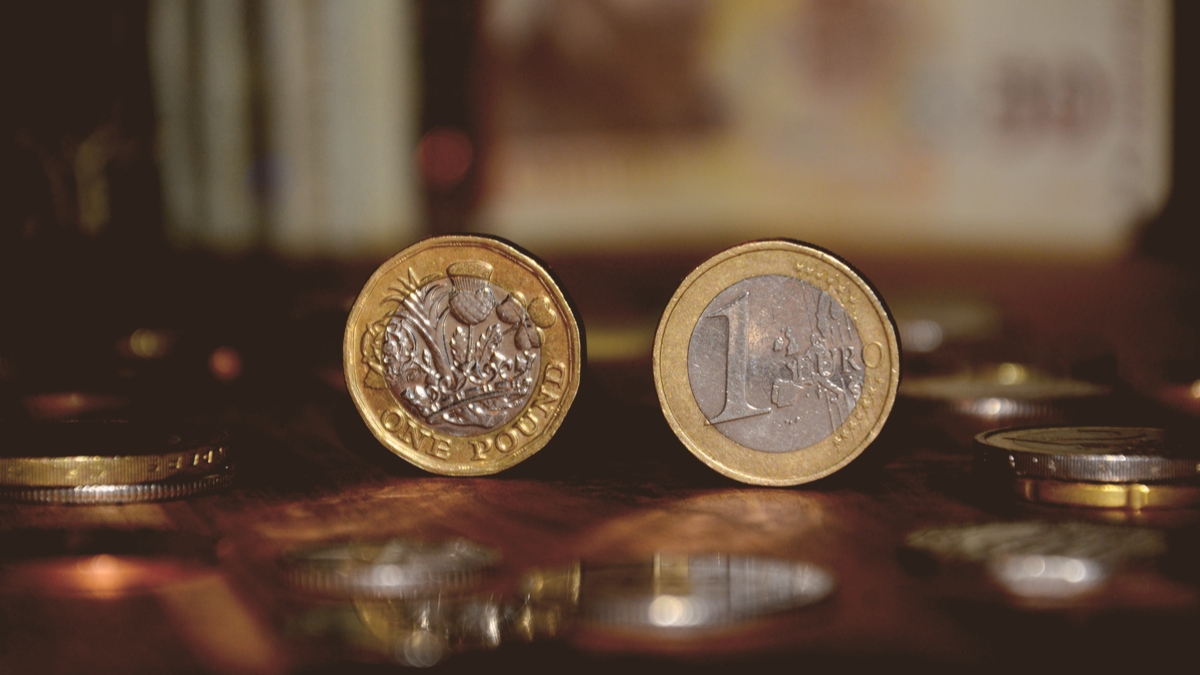
The Pound-Euro (GBP/EUR) exchange rate is falling after gains yesterday. The pair rose 0.14% in the previous session, settling on Thursday at €1.1886. It traded between €1.1844 and €1.1902. At 10:30, GBP/EUR trades -0.13% at €1.1880. The pair is set to rise 0.4% this week, marking the fifth straight weekly rise.
The pound is drifting lower amid a quiet day for UK economic data. However, sterling is still set to rise across the week. The pound has been supported by upbeat UK GDP data, which showed the economy grow 0.7% quarter on quarter in the first three months of the year, beating expectations of 0.6% growth by the Bank of England.
The strong data came after UK wage growth also remained sticky above 5%, even as unemployment rose 4.5%. Strong wage growth is intrinsically linked to sticky service sector inflation.
Data this week has further made the case for fewer interest rate cuts from the Bank of England.
However, the global impact of U.S. President Trump’s trade tariffs and an increase in UK employment tax that came into effect last month could weigh on the outlook.
Chancellor Rachel Reeves warned yesterday that there were clear economic headwinds approaching.
The EUR continues to trade lower this week, dragged down by dovish ECB expectations. The central bank cuts rates in April by 25 basis points as inflation has cooled and as growth in the region remains stagnant.
The euro zone recorded a trade surplus in goods of $36.8 billion in March, up from a $24 billion surplus in the previous month. Exports in the euro area increased by 13.6 % yearly, while imports grew by 8.8% annually.
The data comes as the European Union and the US remain focused. The EU has said that it’s ready to make slow progress in U.S. trade talks to achieve a bigger deal. However, the clock is ticking if the EU wants to avoid reciprocal tariffs in July and avert a full-blown trade war.
.