
- Pound (GBP) is falling after six days of gains
- BoE’s Mann highlighted the resilience of the labour market
- Euro (EUR) rises but the dovish ECB could mean limited gains
- ECB is expected to cut rates in June
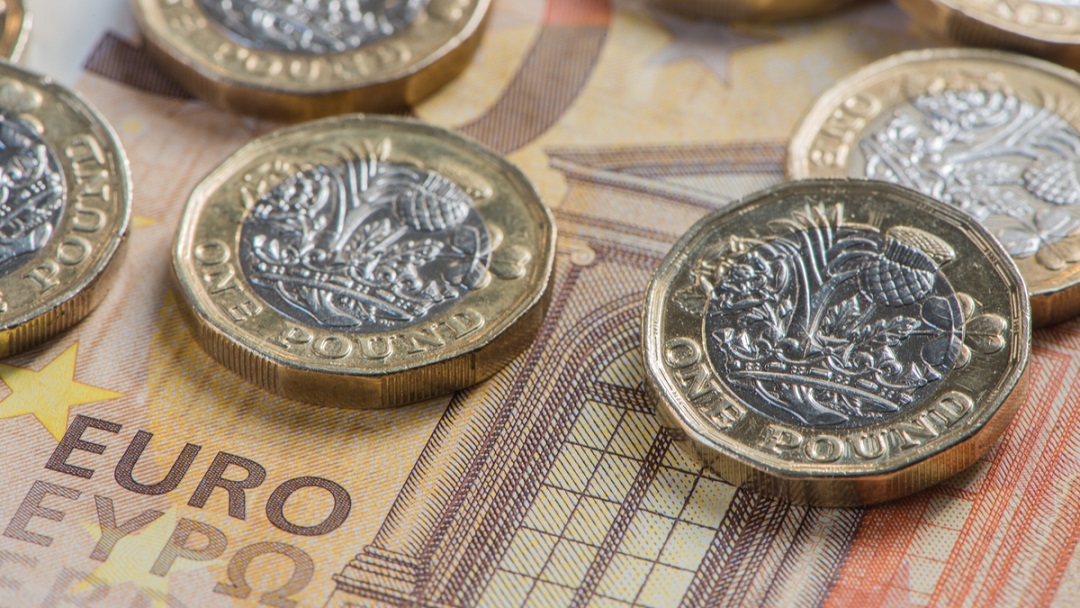
The Pound-Euro (GBP/EUR) exchange rate is falling after six days of gains. The pair rose 0.08% in the previous session, settling on Tuesday at €1.1893. It traded between €1.1864 and €1.1909. At 14:30, GBP/EUR trades -0.24% at €1.1865.
The pound is falling against the EUR but rising modestly against the USD as initial optimism about the US-China trade agreement cools.
Despite today’s full, the pound remains well supported, particularly following comments from Bank of England policymaker Catherine Mann. Man explained that she voted to leave interest rates on hold in the meeting last week, despite voting for a 50 basis point cut in February, because she considered the UK labour market more resilient than she had expected.
Data released yesterday showed that unemployment increased to 4.5%, its highest level since 2021, but wage growth remained sticky at 5.6%. Wage growth is intrinsically linked to service sector inflation.
Sticking with data, UK GDP figures are due tomorrow and are expected to show that the economy flatlined in March after rising 0.5% in February. Stronger-than-expected growth could support a more hawkish stance from the BoE.
The euro is rising however gains could be limited given that the ECB continues to cut interest rates as inflation is is towards its 2% target.
German inflation figures today confirmed that consumer prices is to 2.2% in April, confirming the preliminary reading and marking the lowest level in six months.
The ECB cut interest rates by 25 basis points in the April meeting and is expected to cut rates again in June. ECB’s Villeroy de Galhau, who is the head of the Bank of France, said that another rate cut by the summer was likely. He didn’t expect to see an uptick in inflation due to Trump’s trade tariffs.
Looking ahead to tomorrow, attention will turn to eurozone GDP data, which is expected to confirm 0.4% growth in the first quarter of the year.
.