

- Singapore dollar (SGD) falls in risk off mode
- Trump announced 25% tariffs on all car imports
- US Dollar (USD) rises against its major peers to a 3-week high
- Hawkish Fed comments lift USD
The US Dollar Singapore dollar (USD/SGD) exchange is rising on Tuesday after modest losses yesterday. The pair fell 0.17% in the previous session, settling on Monday at 1.3361. USD/SGD trades +0.37% at 1.3411 and trades in a range of 1.3359 and 1.3413.
The Singaporean dollar weakened against its US counterpart as traders digested the latest trade tariff news, which hit risk sentiment.
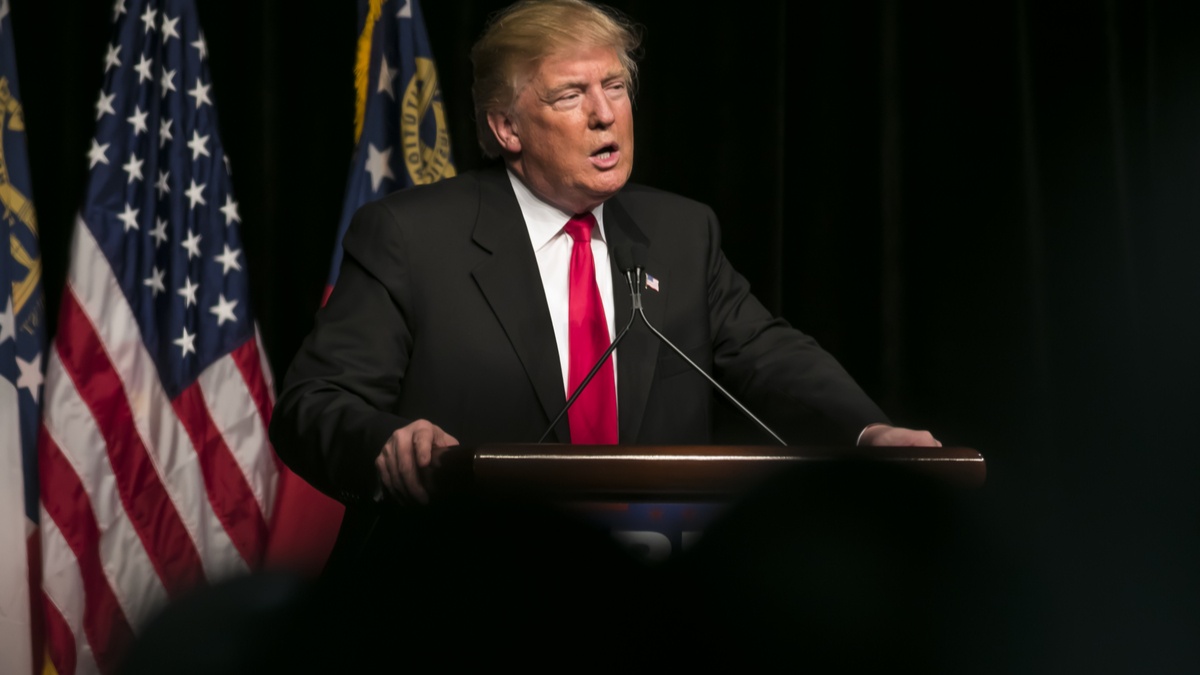
President Trump has announced 25% tariffs on all imported cars and car park coming into the US, which threatens to widen the global trade war. Trump announced that the latest tariffs would take effect on April 2, a move he believes will lead to significant growth for the US car industry.
The latest development has prompted a risk-off sentiment across financial markets, with riskier assets and currencies experiencing declines.
The US Dollar is rising across the board. The US Dollar Index, which measures the greenback against a basket of major currencies, trades at 104.67, up 0.46%, recovering from small losses the previous day.
The US dollar is rising as it extends its recovery from a 5-month low. The dollar has been boosted to a three-week high following the latest trade tariff announcement and after hawkish Fed commentary lifted Treasury yields higher.
Chicago Fed President Goolsbee, Minneapolis Fed President Neel Kashkari, and St. Louis Fed President Massaman believe that the US trade policies could add inflationary pressures, requiring the Fed to keep interest rates unchanged for longer.
U.S. stocks sold off, boosting liquidity demand for the safe haven USD.
On the data front, US durable goods orders rose 0.9% in February, well above the -1% forecast, as manufacturers attempt to mitigate the impact of President Trump’s trade tariffs. The data comes after US consumer confidence fell to a four-year low earlier in the week, driven by fears over the impact of trade tariffs.