

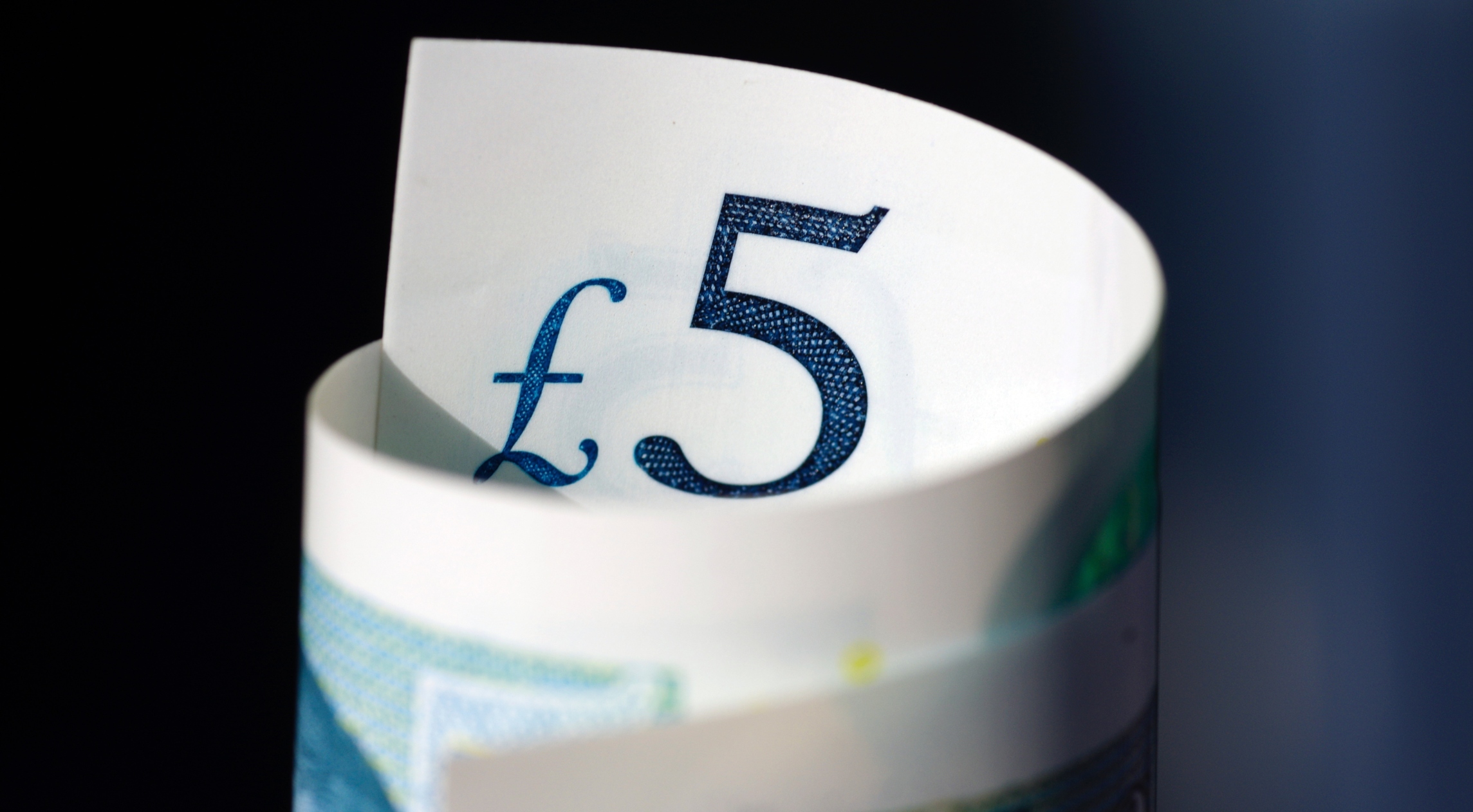
- Pound (GBP) steadies after 5-days of losses
- UK GDP was 0.1% MoM in November
- Euro (EUR) is rising after hotter German inflation
- ECB meeting minutes are due shortly
The Pound Euro (GBP/EUR) exchange rate is falling after gains yesterday. The pair rose 0.40% in the previous session, settling on Wednesday at €1.1895. It traded in a range between €1.1829 and €1.1918. At 11:00 UTC, GBP/EUR trades -0.31% at €1.1865.
The pound is falling on Thursday as the markets digest an increasingly stagflationary environment.
UK GDP grew by 0.1% month over month in November, below the 0.2% growth economists had penciled in. This follows a contraction of -0.1% in both September and October as the economy loses momentum under the new government.
Today’s figures come after yesterday’s inflation data unexpectedly cooled to 2.5%, down from 2.6% and defying expectations that it would rise to 2.7%. While cooling inflation will be well received by the Bank of England, consumer prices remain well above the central bank’s 2% target.
Elevated inflation and stalling growth confirm the stagflation trap the UK economy has entered.
The position comes after Chancellor Rachel Reeve’s budget at the end of October, which significantly raised the tax burden on employers.
The euro is rising following an upward revision to German inflation data. The final German consumer price index showed that core annual inflation crept higher to 3.3% in December, up from 3% in November, raising stagflation worries for the German economy at the turn of the year.
Still, gains in the euro could be limited by dovish European Central Bank expectations. Recent speeches by ECB policymakers have Reinforced expectations of more rate cuts from the central bank.
Earlier in the week, Olli Rehn, the Bank of Finland governor, said he sees monetary policy leaving restrictive territory in the coming months. Meanwhile, ECB chief economist Philip Lane has warned over keeping interest rates restrictive for too long
Looking ahead, the ECB minutes from the December meeting will be released shortly. However, these could be considered stale with just two weeks to go until the January ECB meeting.