

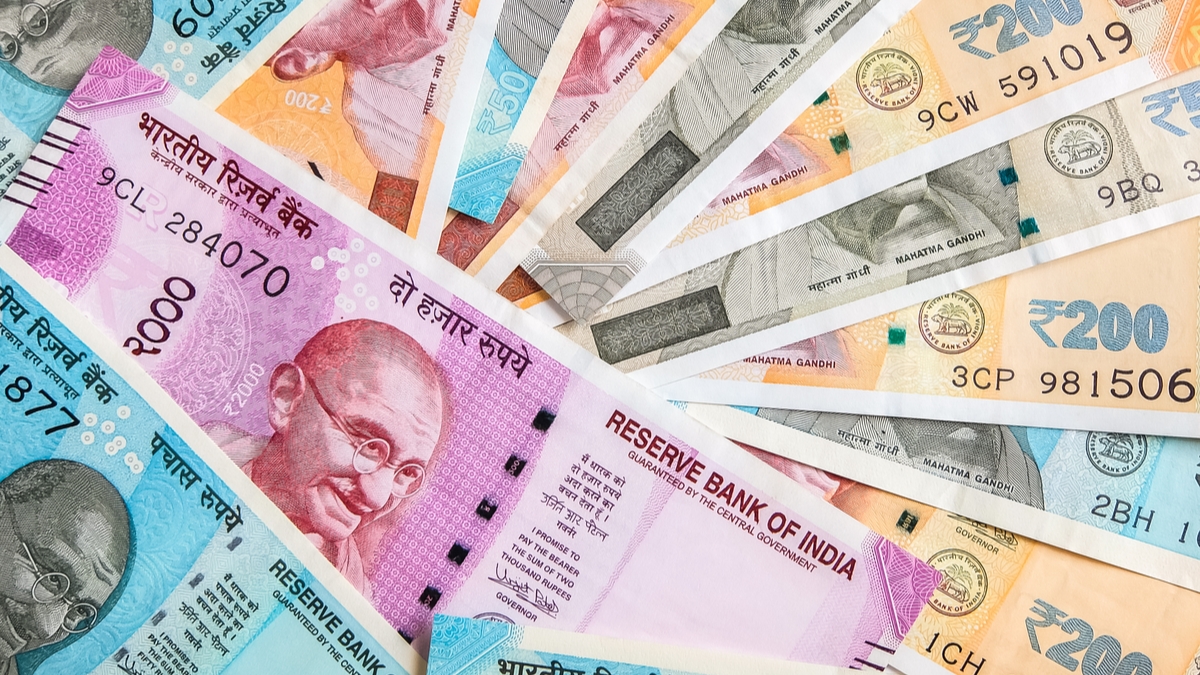
- Indian Rupee (INR) is unchanged after gains last week
- RBI has stabilized the price, but equities outflows are a problem
- US Dollar (USD) is rising versus its major peers
- USD is boosted by the Trump trade
The US Dollar Indian Rupee (USD/INR) exchange rate is holding steady after modest losses last week. The pair fell 0.04% in the previous week, settling on Friday at 84.06. Today, at 16:00 UTC, USD/INR is up +0.01% at 84.07 and traded in a range of 84.04 to 84.08.
The Indian rupee is hovering around a record low as foreign investors are cashing out. The Reserve Bank of India has attempted to stabilize the Rupee in recent months.
The RBI’s interventions drained 10.75 billion from the country’s foreign exchange reserves as of October 11th. This is them being pressured further by foreign investors pulling 9.2 billion from Indian equities in October alone, largely reallocating towards China.
Meanwhile, Hyundai Motor India’s upcoming IPO, should proceeds be redirected to the South Korean parent firm, could also pressure the rupee.
Investors are reassessing risk and, following the huge stimulus in China, are gravitating towards investing there.
The US Dollar is flat against the Rupee but is rising against its major peers. The US Dollar Index, which measures the greenback versus a basket of major currencies, is rising 0.2%, trading at 103.79 after gains across the previous week.
The U.S. dollar is rising, reaching levels not seen since early August, on expectations that the Federal Reserve may reduce interest rates more gradually than originally expected.
Strong economic data, including robust retail sales last week, combined with an increased likelihood of Donald Trump winning the US presidential election, are putting pressure on the USD.
Trump’s core policies regarding taxes and tariffs are considered inflationary, and a slower pace of Fed rate cuts could be required.
The US economic calendar is relatively quiet this week, with just S&P Global at PMI due on Thursday. Otherwise the market will be watching comments from fed speakers for more clarity over the Fed’s intentions.
.