

- Pound (GBP) is flat after a landslide Labour victory
- The win was expected, so the reaction was muted.
- Euro (EUR) is unchanged as retail sales rise by less than expected
- French election in focus this weekend
The Pound Euro (GBP/EUR) exchange rate is falling after two days of gains. The pair rose 0.08% in the previous day, settling on Wednesday at €1.1811 and trading in a range between €1.1793 and €1.1836. At 11:00 UTC, GBP/EUR trades -0.03% at €1.1808.
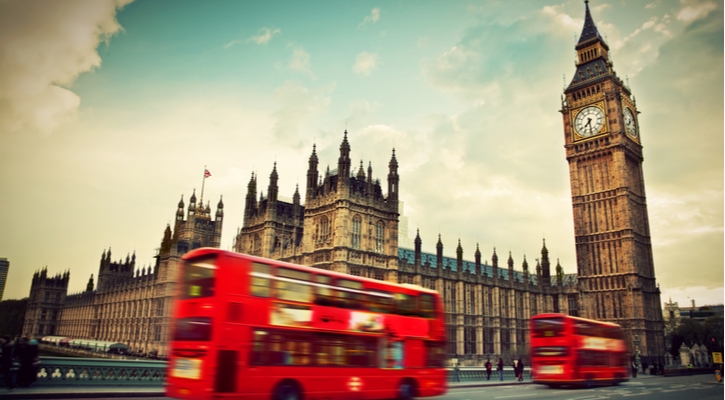
The pound is heading a few points higher as the market digests the Labour Party’s landslide victory in the UK general election.
The Labour Party won 414 seats, marking an increase of 211 seats and giving the party a massive majority in parliament. Meanwhile, the conservatives won just 121 seats, marking 250 seat losses.
Labour maintained a strong lead in the polls across the election campaign, so today’s result hasn’t come as a surprise. This would explain why there’s been little movement in the pound.
Furthermore, due to the lack of headroom and in accordance with its manifesto, labour is unlikely to change the fiscal position of the UK dramatically. As a result, the ramifications for the Bank of England will likely be limited, allowing the central bank to keep its growth and inflation forecasts, at least for now. More information will come to light in the autumn budget later in the year.
Bank of England policymakers will now emerge from the blackout period, within which they’ve been since inflation fell to the 2% target. The market will be observing to see whether policymakers start to prepare for a possible August rate cut. This could move the market more than a Labour win in the election.
The euro has been holding steady after retail sales came in slightly weaker than expected. Sales rose just 0.1% month on month in May after falling 0.2% in April. Economists expected sales to rise by 0.2%.
The data comes after minutes of the ECB meeting yesterday showed that the policymakers were divided in the decision to cut interest rates in June, with some concerned over heavy acceleration inflation and high wage growth.
Looking ahead, attention will now turn to the French elections, which will have a second round of voting on July 7th. Marine Le Pen’s right-wing national rally party is not expected to gain an absolute majority, which would come as a relief to the euro. A hung parliament is being considered the most market-friendly and likely outcome.