
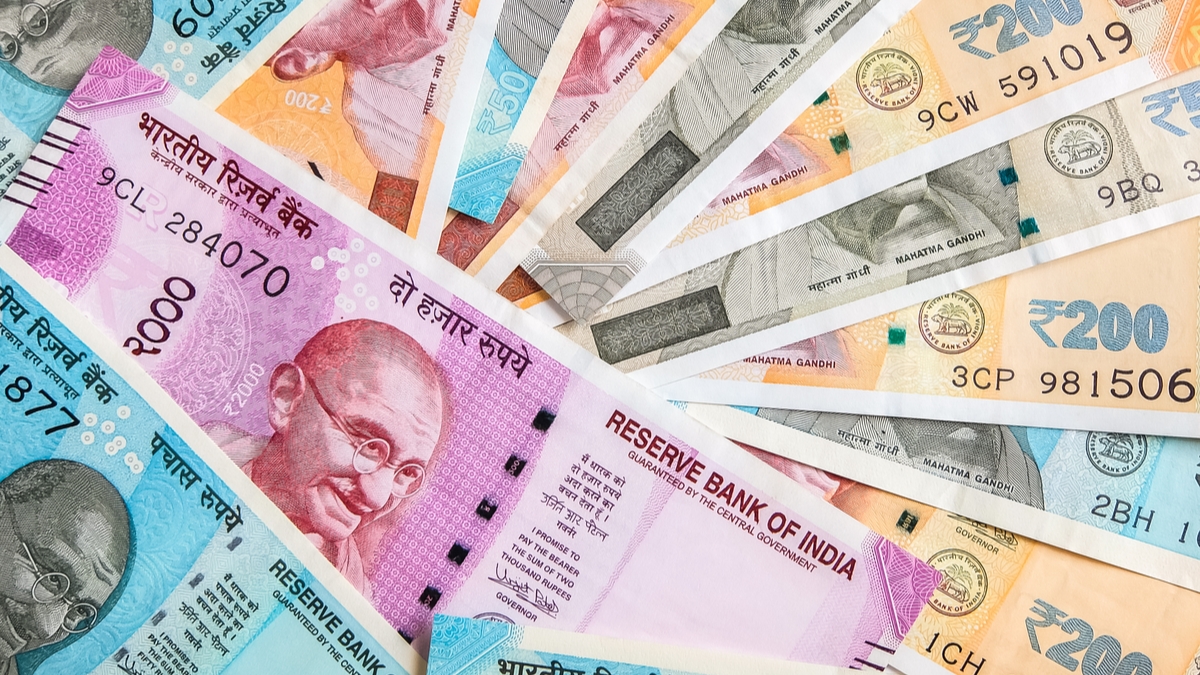
- Indian Rupee (INR) is falling for a second day
- Exit polls point to Modi’s party winning
- US Dollar (USD) falls versus its major peers
- US ISM manufacturing unexpectedly falls
The US Dollar Indian Rupee (USD/INR) exchange rate is falling after gains last week. The pair rose +0.44% in the previous week, settling on Friday at 83.10. At 19:00 UTC, USD/INR trades -0.38% at 83.14 and trades in a range of 82.97 to 83.46
The rupee’s rally reflects a boost in investor confidence driven by exit polls in the Indian election, which point to a third term for Prime Minister Narendra Modi’s party and alliance.
Optimism sent Indian equities higher, with the Sensex and Nifty 50 reaching record levels. The Sensex traded 3.4% higher on the Nifty 50 was up 3.2% at the end of the day. Investors is awaiting the results, which are due on Tuesday.
The rupee could strengthen further on a clear victory for Modi’s party, although if the outcome of the election is uncertain, there could be a potential weakening in the Rupee.
The US Dollar is falling across the board. The US Dollar Index, which measures the greenback versus a basket of major currencies, trades at -0.5% at the time of writing at 104.15, marking the fourth straight day of losses.
The US dollar is falling sharply after US manufacturing activity data showed a sharper-than-expected contraction in May.
The ISM manufacturing PMI fell to 48.7, down from 49.2 in April, defying expectations of a rise to 49.8. This marked the second straight month when US manufacturing activity was in contraction, as new orders plunged to the lowest level in a year. Demand remains weak, as companies show an unwillingness to invest in the current monetary policy climate. This is another sign that monetary policy is restrictive and is acting as a brake on the economy.
The prices paid component edged lower to 57 from 60.9 but remains above the six-month average of 54.1, so inflationary pressures still linger in the sector. Meanwhile, the employment component moved above the 50 level to its highest level since March 22, although given that production is slowing and orders a week, there are questions over how sustainable this will be.
Data comes after core PCE figures on Friday showed that the US inflation remains sticky under consumer spending slowed.
Meanwhile, the Indian Rupee has charged higher on election optimism, logging its best intraday performance since December 2023