

- Surprise resignation of Sajid Javid last week
- GBP gains are likely to remain capped
- UK labour data in focus on Tuesday
- German GDP below expectations
The pound pushed firmly higher versus the euro across the previous week.
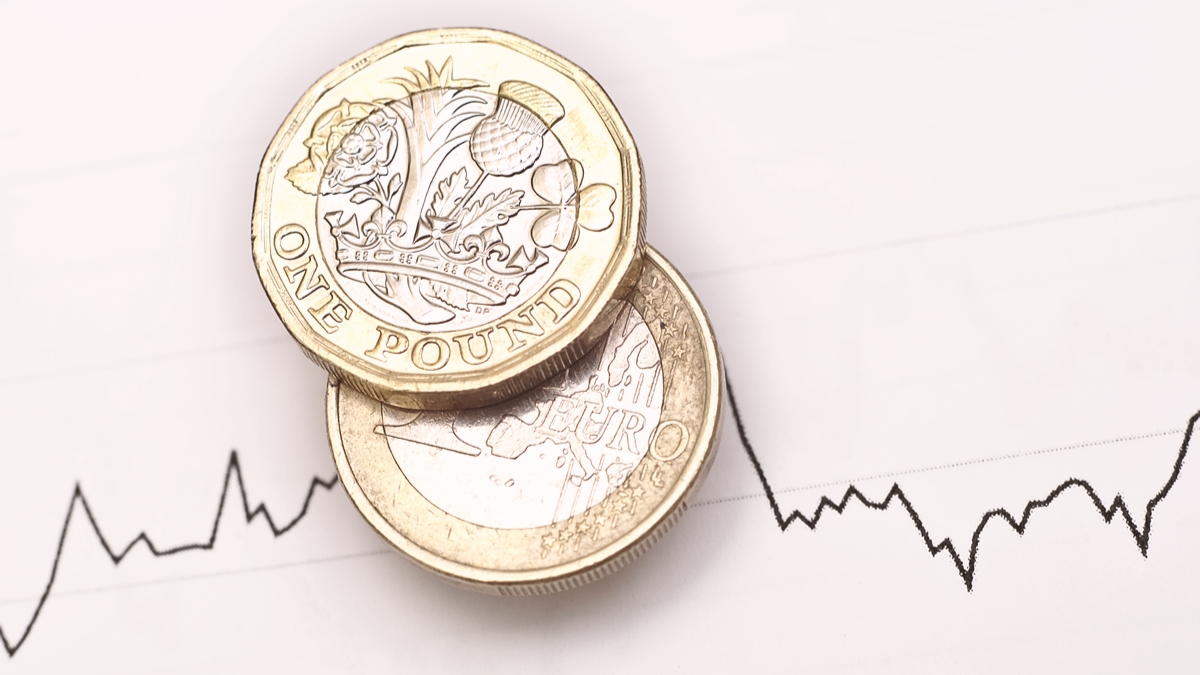
GBP/EUR – the pound gained every day against the common currency, rising a solid 2.2%., more than making up for the 1% loss experienced in the first week of February.
The pound received a strong boost last week following the surprise resignation of Sajid Javid
Sajid Javid was replaced by Rishi Sunak. Market participants view the move as a power grab by No. 10 Downing Street onto No.11. With Boris Johnson now expected to exert greater control over the Treasury an expansionary fiscal is now more likely. This is especially important given that the Budget is due next month.
Despite the domestic political boost to the pound, any gains are likely to remain capped, especially given that the EU are showing signs of looking to adopt a harder stance in upcoming trade talks.
Whilst there is no high impacting UK economic data due for release today, UK labour data and wage figures will be in focus on Tuesday and weaker inflation could weigh on the pound on Wednesday.
GBP/EUR – German GDP below expectations showing that the economy stagnated
The euro trended lower versus its major peers over the past week as anxieties grow over the health of the eurozone and more particularly the German economy. At the end of last week, the German GDP fell short of expectations showing that the economy stagnated. Whilst the largest economy in Europe avoided a contraction, it shows a sustained decline in momentum with few signs of picking up.
Concerns over the state of the German economy could pick up this week as investors look ahead to ZEW sentiment index. Any signs of a decline in business confidence could weigh heavily on demand for the euro, with weaker sentiment pointing to limited economic activity. Investors are already wary of a contraction and potential recession in Germany, weak confidence data could fuel these concerns.
These fears are only likely to intensify when taking into account the impact of coronavirus on the German economy. As Germany is a manufacturer and exporter nation, it is more vulnerable to the economic spillover from Coronavirus.