

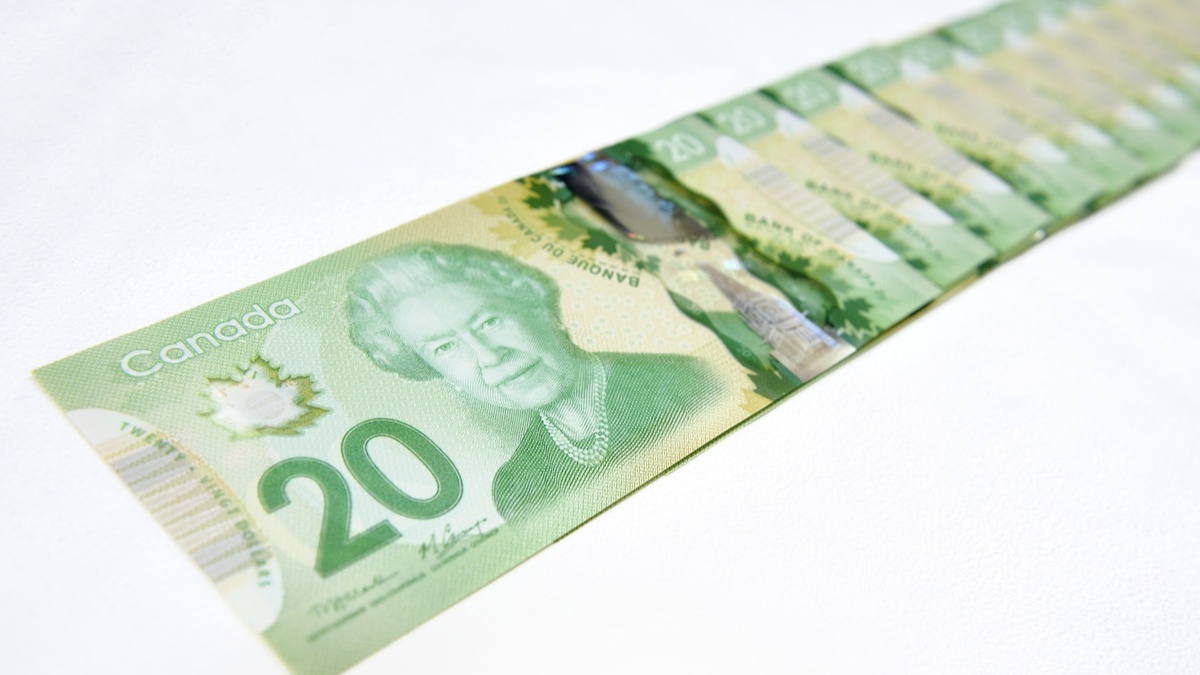
GBP/CAD is increasing on Monday amid easing Brexit worries. Currently, one British pound buys 1.7166, up 0.50% as of 11:50 AM UTC.
The sterling accelerated its gains after trade body UK Finance said that the number of mortgages approved by British banks had increased in November to the highest level in about three years, pointing to stabilization of the housing market.
Thus, banks approved 43,715 mortgages last month, up from 41,312 in October. The last time when bank-approved mortgages went that high was in January 2017.
Consumer credit increased at an annual pace of 4.0% in November, the smallest since April this year. The trend coincides with the weakest increase in credit card lending in five years.
The pound managed to recover a part of the losses caused by a dramatic bearish trend driven by the market’s fears of a potential no-deal Brexit. After securing a major victory in the UK election, Prime Minister Boris Johnson said he would not allow the government to extend the Brexit transition period beyond December 2020. On the other side, European leaders claim that the 11-month timeline might not be enough to discuss all the nuances within a trade deal. Investors are worried about a potential no-deal withdrawal in the case when the two sides don’t reach consensus until the end of next year. Such a scenario is expected to have the most damaging effect on the British economy.
However, investors have shifted the focus from those fears amid the Christmas holiday. Besides, some officials and economists hope that Johnson will eventually change mind and abandon the recent law that interdicts any extension attempt.
Earlier today, The Irish Times cited European trade commission Phil Hogan as saying:
“In the past, we saw the way the prime minister promised to die in the ditch rather than extend the deadline for Brexit, only for him to do just that. I don’t believe Prime Minister Johnson will die in the ditch over the timeline for the future relationship either.”
It remains to be seen where is the next stop for GBP/CAD, given that the Loonie is backed by trade optimism and surging oil prices.