
Following a rate cut by the Federal Reserve on Wednesday, the pound advanced versus the US dollar. The pound US dollar exchange rate closed 0.3% higher at US$1.2900, in its third straight day of gains. The pound is extending those gains in early trade on Thursday.
With no economic data to digest in the previous session, UK politics drove movement in the pound. News that Boris Johnson ‘s early election bill had rapidly moved through the House of Lords helped lift the pound. Reports that the Brexit Party is considering pulling out of hundreds of seats in order to boost the Conservatives chances of winning a majority in the election was also supportive of the pound. This could be a game changer for Boris Johnson. Otherwise, he could struggle to achieve the numbers that he needs for a clear majority in Parliament.
Pound investors will now turn their attention to the polls. Any shifts in the polls could translate across into big swings in the pound. Currently Boris Johnson is the favourite to win a general election and win a stronger mandate to push Brexit through Parliament. However, political analysts have cautioned that given the stakes involved, this could be one of the hardest elections to accurately predict.
Dollar Drops On Dovish Comment
The dollar initially strengthened in early trade on Wednesday after better than expected GDP figures. Data showed that the US economy grew by a better than expected 1.9% year on year in the third quarter. The was slightly down from the 2% growth in the second quarter but still well ahead of the 1.6% forecast by analysts. The US economy performed better than expected thanks to stronger spending by consumers and the government. These numbers helped calm concerns over the health of the US economy, supporting the dollar.
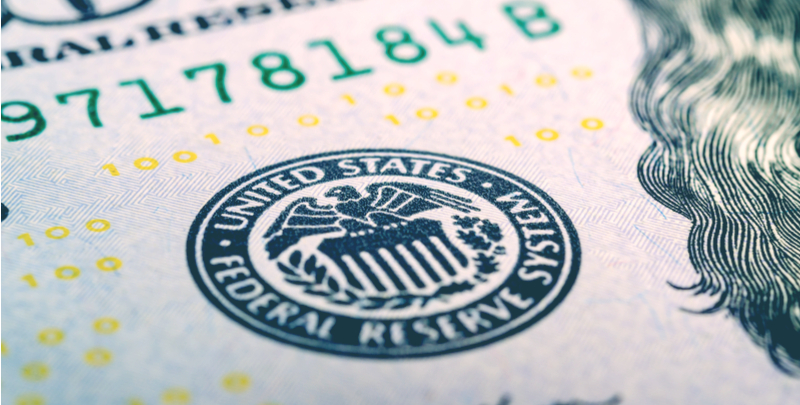
As expected, the Federal Reserve cut interest rates from 1.75% to 1.5%. This was the third cut this year, in part of what the Fed has called a mid-cycle adjustment. The central bank indicated that it would pause rate cuts for now, waiting for clearer economic data.
However, Fed Chair Jerome Powell was also clear that the Fed has no plans to resume hiking rates until there was a strong and persistent increase in inflation. These dovish comments weighed on demand for the greenback, sending it lower.
| What do these figures mean? |
| When measuring the value of a pair of currencies, one set equals 1 unit and the other shows the current equivalent. As the market moves, the amount will vary from minute to minute.
For example, it could be written: 1 GBP = 1.28934 USD Here, £1 is equivalent to approximately $1.29. This specifically measures the pound’s worth against the dollar. If the US dollar amount increases in this pairing, it’s positive for the pound. Or, if you were looking at it the other way around: 1 USD = 0.77786 GBP In this example, $1 is equivalent to approximately £0.78. This measures the US dollar’s worth versus the British pound. If the sterling number gets larger, it’s good news for the dollar. |