


- Pound (GBP) is falling for a third day
- UK retail sales rose 0.5% MoM vs 0.2% expected
- Euro (EUR) after the composite PMI rose to 52.2
- Germany saw the strongest growth in 2.5 years
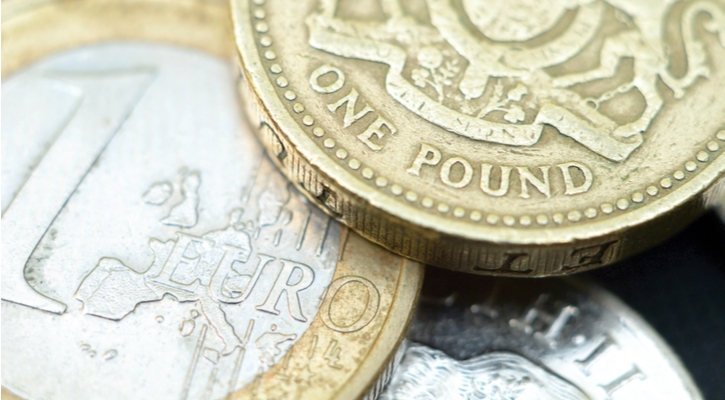
The Pound-Euro (GBP/EUR) exchange rate is falling for a third straight session. The pair fell 0.29% in the previous session, settling on Thursday at €1.1471. It traded between €1.1464 and €1.1519. At 15:00 UTC, GBP/EUR trades -0.27% at €1.1470. The pair is on track to fall 0.75 this week, after three straight weeks of gains.
The pound is falling on Friday despite stronger-than-expected UK retail sales and business activity figures.
UK retail sales unexpectedly rose by 0.5% month in month in September, marking the fourth straight monthly increase. This was ahead of the 0.2% forecast by economists. Meanwhile, August figures will be revised higher to 0.6% from a previously reported 0.5%.
The figures point to a relatively resilient consumer despite persistent inflation and signs of a weakening job market. UK consumer price inflation remained at 3.8% in September, almost twice the Bank of England’s target level.
Meanwhile, GfK consumer sentiment figures showed that household confidence improved by two points to -17 in October, marking the highest level this year.
These figures, combined with the stronger-than-expected PMI data, are encouraging ahead of Chancellor Rachel Reeves’ budget on December 26, where she is expected to introduce steep tax increases to offset spending cuts aimed at tackling the £30 billion fiscal black hole.
Meanwhile, the EUR is rising following unexpected growth in business activity in October. The eurozone composite PMI rose to 52.2 in October, up from 51.2 in September, marking the tenth straight monthly expansion and reaching a 17-month high. This defied expectations, as economists had been expecting a decline to 51.
The date test suggests that the bloc’s economy gained momentum at the start of the final quarter of the year.
Delving deeper into the figures, France’s activity declines faster than expected amid A volatile political climate.
However, Germany, the eurozone’s largest economy, saw its strongest growth in the private sector in almost 2 1/2 years, boosted by a robust rise in service sector activity.