


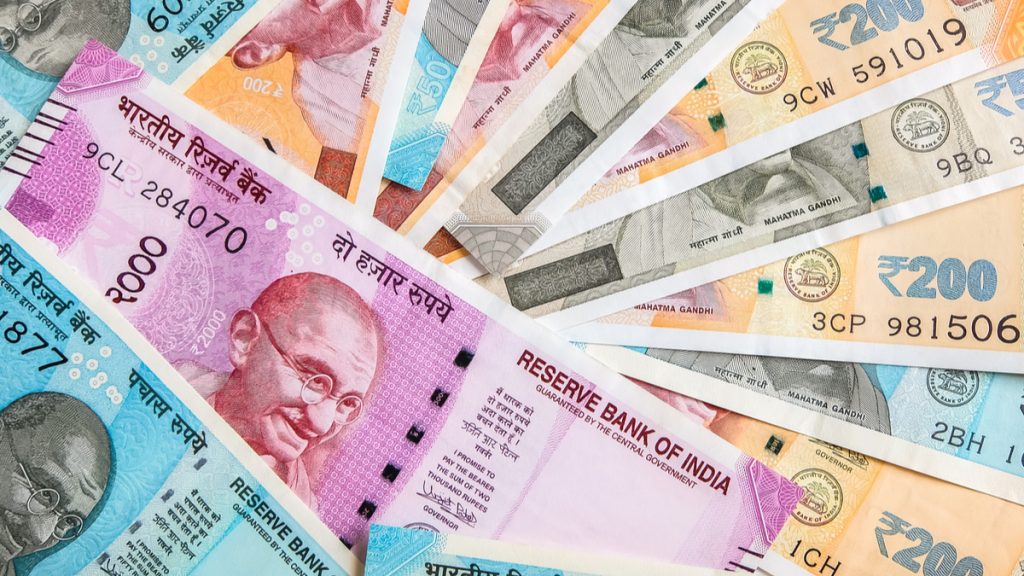
- Indian Rupee (INR) is rising after losses yesterday
- Indian equities closed higher on trade reset hopes
- US Dollar (USD) is falling versus major peers
- US jobless claims jumped to an almost 4-year high
The US dollar-to-Indian rupee (USD/INR) exchange rate rose on Thursday, recouping losses from the previous day. The pair fell 0.22% in the previous session, settling on Wednesday at 88.05. At 18:30 UTC, USD/INR trades +0.31% at 88.30 and traded in a range of 88.07 to 88.49.
The Indian Rupee is heading higher as India seeks to reset trade with the US. The two sides are continuing talks to address trade barriers. Both Trump and Modi spoke positively, expressing optimism that an agreement could be reached in the coming weeks. Indian equities closed higher.
Meanwhile, Indian exporters hurt by the 50% tariffs that have been imposed by the US have sought loan relief and a favourable exchange rate from the Reserve Bank of India to help ease pressure. Sectors such as textiles, gems, and jewelry are expected to be the worst hit and could result in thousands of job losses.
The US Dollar is falling across the board. The US Dollar Index, which measures the greenback against a basket of major currencies, is falling 0.22% at 97.56, extending losses from yesterday.
The US dollar is falling after mixed data from the US, which showed that core inflation rose and the latest US jobless claims jumped to the highest level in almost four years.
The number of Americans filing for unemployment benefits last week was 263,000, a sign that the labour market continues to deteriorate. Initial claims rose by 27,000, well ahead of an increase to 235,000, which economists had expected. The data comes following last Friday’s weaker-than-expected nonfarm payroll report and a steep downward revision to jobs created in the 12 months through to March.
Meanwhile, US inflation figures rose to 2.9% year on year in August, up from 2.7% and in line with expectations.
These data points are the final pieces to the puzzle ahead of next week’s Federal Reserve interest rate decision, whether the central bank is widely expected to cut interest rates by 25 basis points, as weakness in the jobs market overshadows sticky inflation.