


- Pound (GBP) is rising after a flat day yesterday
- UK PPI jumped to 1.9% YoY in June
- Euro (EUR) is falling amid French political concerns
- German consumer confidence fell for a third month
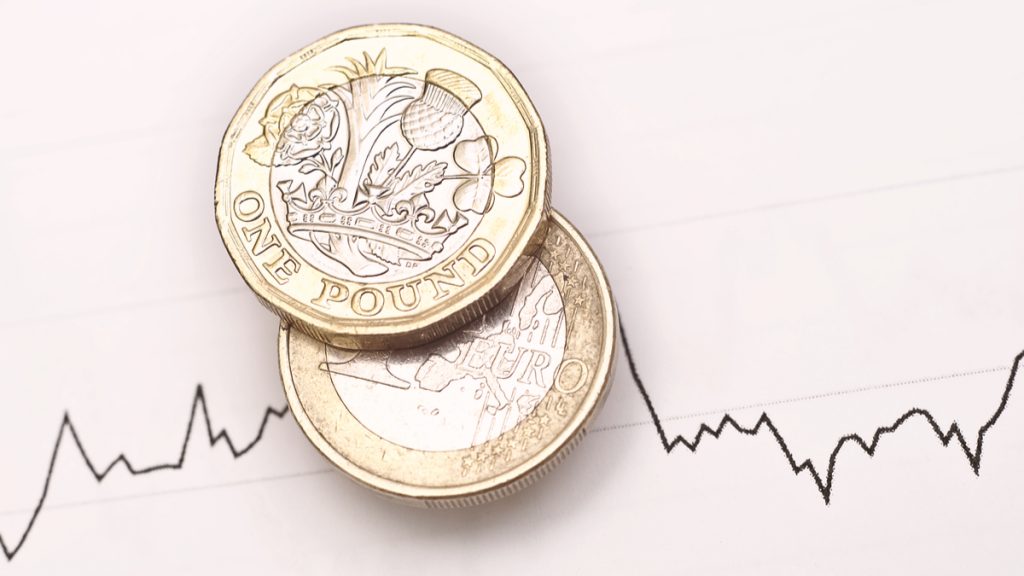
The Pound-Euro (GBP/EUR) exchange rate is rising after a flat close yesterday. The pair was unchanged on the day on yesterday, settling on Tuesday at €1.1580. It traded between €1.1558 and €1.16. At 17:30 UTC on Wednesday, GBP/EUR trades +0.15% at €1.1598.
The pound is rising boosted by signs of sticky inflation in the UK economy. According to data from the Office for National Statistics, UK producer price inflation, which measures inflation at the factory gate level, jumped to a two-year high of 1.9% in June, up from 1.3% in May.
The ONS had suspended the publication of PPI data in March after discovering errors in the calculation that dated back to 2020. Today’s release marks an interim data point before regular publication of PPI resumes in October.
The data comes after UK consumer price inflation CPI rose to an 18-month high of 3.8% in July. This puts inflation in the UK as the highest among major advanced economies. The Bank of England forecasts that it will reach 4% in September.
As a result of sticky inflation, the Bank of England is not expected to cut interest rates again until February next year.
The EUR is falling lower with political developments in France in focus as Prime Minister Francois Bayrou battles to save his minority government ahead of a vote of no confidence on September 8th. The vote comes amid a backlash to Bayrou’s plans to cut spending.
According to an opinion poll on Wednesday, the majority of French people want new parliamentary and presidential elections.
French government bonds steadied on Wednesday, a day after the yield on the 10-year OAT climbed to its highest level in five months.
The EUR is also under pressure after German GFK consumer confidence showed that morale was expected to decline by more than expected in September.
German Consumer confidence slumped for a third straight month, falling to -23.6 on worries over the outlook for the labour market.