


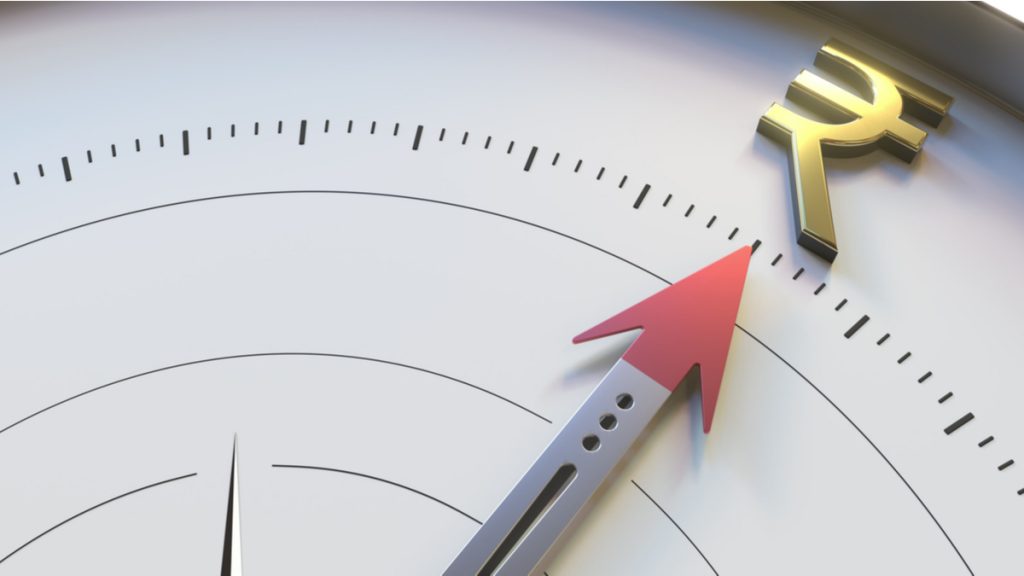
- Indian Rupee (INR) rises for a fourth day
- RBI warns of tariff impact on growth
- US Dollar (USD) is falling versus major peers
- Trump calls for Fed Cook to resign
The US dollar-to-Indian rupee (USD/INR) exchange rate fell for a fourth straight day. The pair fell -0.27% in the previous session, settling on Tuesday at 87.07. At 21:30 UTC, USD/INR trades -0.07% at 87.01 and traded in a range of 86.97 to 87.17.
The Rupee rose despite the Reserve Bank of India’s monetary policy committee members flagging risks from global trade tensions and tariffs as a drag on growth. However, they also considered that the economy remained resilient, according to the minutes of the latest meeting, while the inflation outlook remains benign.
Growth in India is forecast at 6.5%. However, uncertainty over tariffs could impact growth. India faces 50% tariffs on exports to the US after Trump announced a further 25% on August 27.
The RBI left its key interest rate steady at 5.5% earlier this month after slashing rates per hundred basis points so far this year. The MPC voted numerically to keep a neutral stance amid the need for flexibility, having to deal with domestic and global uncertainties.
The US Dollar is falling across the board. The US Dollar Index, which measures the greenback against a basket of major currencies, is falling 0.03% to 98.23, after two days of gains.
The US dollar fell on Wednesday after President Trump called for Federal Reserve Governor Lisa Cook to resign. However, some of those gains were paired with the minutes from the latest Fed meeting, which showed that only two policymakers supported an interest rate cut in July.
Trump once again intensified his efforts to influence the US central bank by telling aides he was considering removing Cook, citing allegations about mortgages she holds in Michigan and Georgia. The market dislikes any attempt by Trump to interfere with the Federal Reserve.
The minutes to the July Fed meeting showed that policymakers remain concerned about inflation, and the labour market has deepened divisions within the FOMC.