


- The Japanese Yen (JPY) is falling amid safe-haven outflows
- BoJ is expected to hike rates this week
- The US Dollar (USD) falls against its major peers
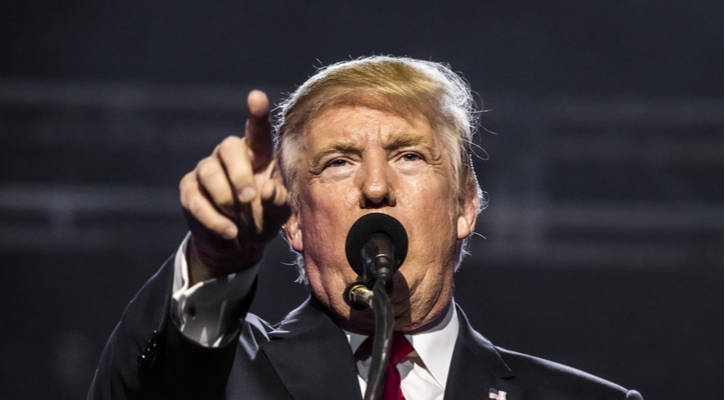
- Trump has been less aggressive on trade tariffs than feared
The US dollar Japanese yen (USD/JPY) exchange rose on Tuesday after losses yesterday. The pair fell 0.65% in the previous session, settling on Monday at 155.28. At 22:30 UTC, USD/JPY trades 0.15% higher at 155.51 and is in a range of 156.24 to 154.77
The Japanese yen fell yesterday as the risk tone in the market improved as the market digested President Trump’s first day in office. Aside from US tariffs, Bank of Japan policy is also said to be a big driver for the USD/JPY pair.
The Bank of Japan will meet later this week and is expected to announce a rate hike on Friday. This follows hawkish commentary from policymakers last week and another round of reports in the Japanese press pointing to a hike.
Prior to the meeting, attention will be on Inflation data, which is expected to show that inflation rose.
Later today, Japanese trade data will be in focus. Imports are expected to recover to 2.6%, while exports are set to ease slightly to 2.3%, down from 3.8%.
The US Dollar rose against the yen but fell against major peers. The US Dollar Index, which measures the greenback against a basket of major currencies, is down 1.25% to 107.98 at the time of writing, falling for a second straight day.
The US dollar fell on Tuesday, dropping sharply after President Trump refrained from imposing new tariffs on Asian and European imports on his first day in the White House.
This has eased inflation concerns and could allow the Federal Reserve to keep cutting interest rates.
The US dollar also followed treasury yields lower, and the improved market move resulted in safe-haven outflows from the USD.
While Trump did mention possible plans for tariffs on Canada and Mexico, fears of universal tariffs, particularly on China, eased considerably.
It’s still early days, but the fact that Trump didn’t apply aggressive tariffs as soon as he entered office is being understood as an encouraging sign.
The market had feared the aggressive tariffs would add inflationary pressure to the US economy, which is already performing well. This would limit the Feds’ ability to cut interest rates. However, today’s worries ease. The US dollar is falling.
.